1996WorldsAway

Marco Mark · career, 1996

Thirty years,
one habit.

I tend to notice something a business has overlooked, build a version that proves the point, then hand it over to the team to run. This is how that's played out so far.

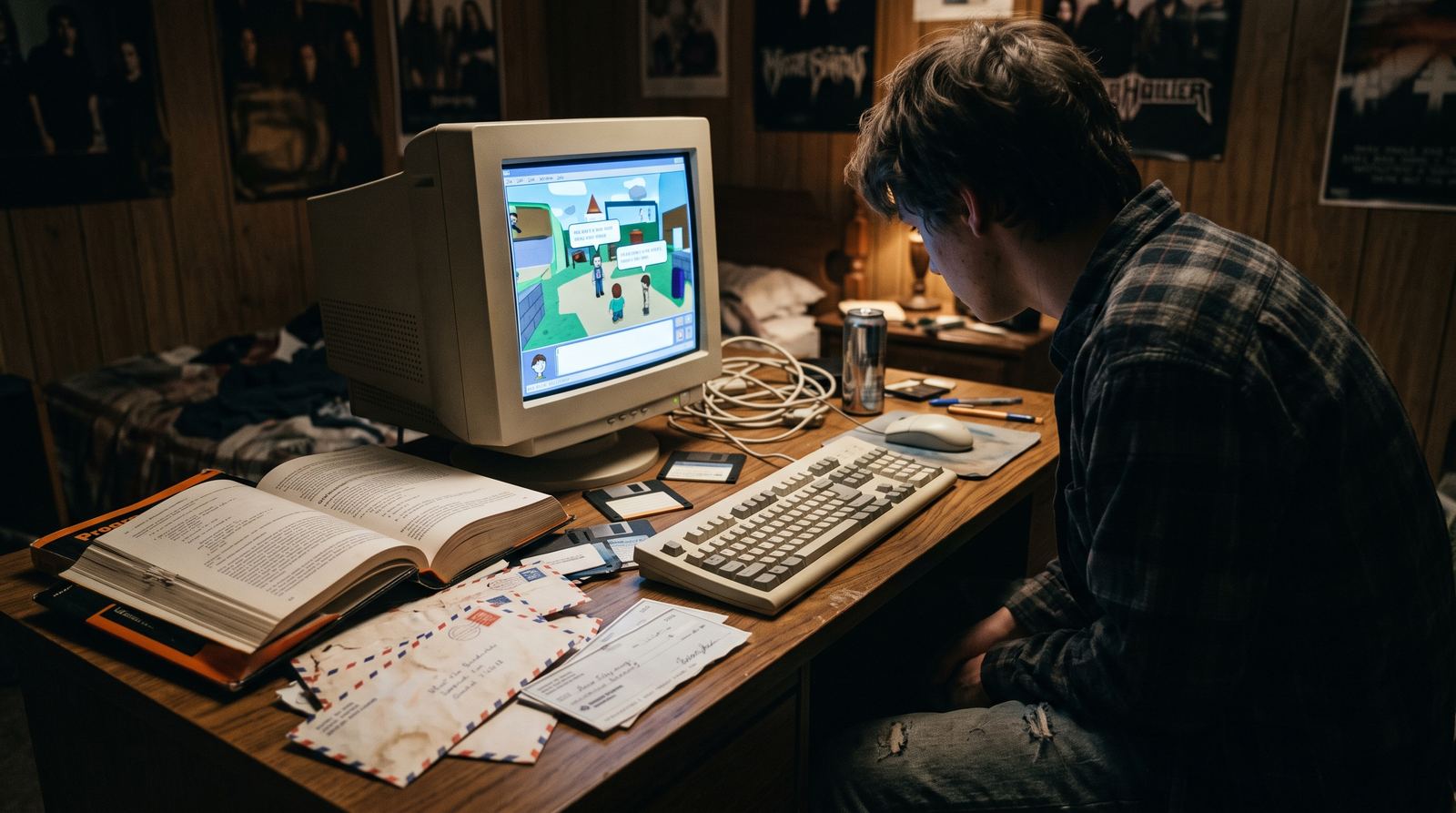
A late 1990s bedroom at night: a teenager at a beige computer showing a cartoon virtual world, with a programming book, airmail envelopes and cheques on the desk

Before the CV · Late 1990s

Cheques from strangers

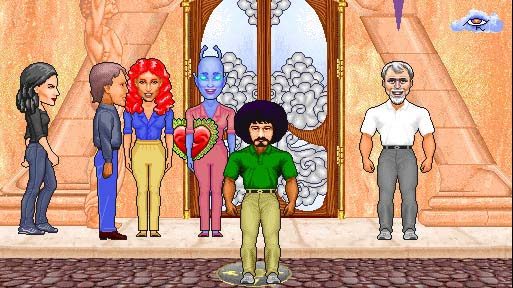
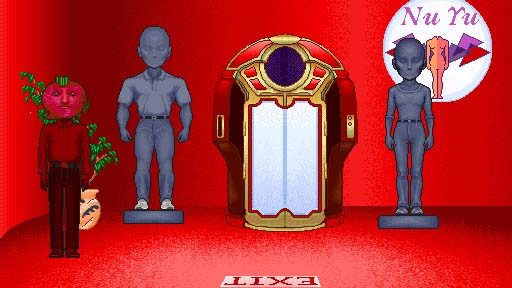
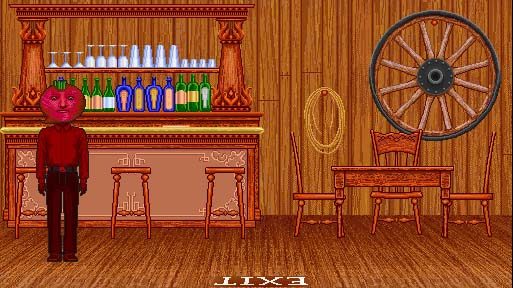
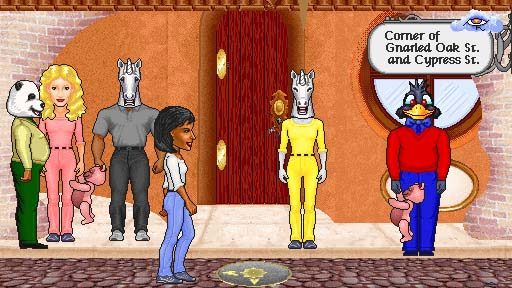
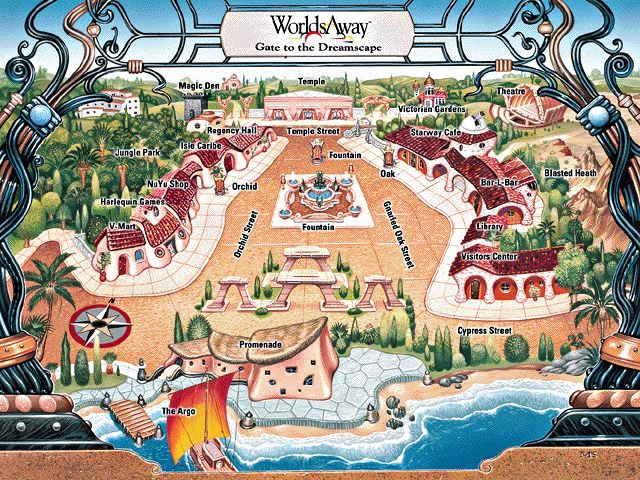
Before any of the jobs there was WorldsAway, a virtual world where you walked around as an avatar and chatted to people from all over the place. It later became vzones. People were building plugins and add-ons for it, and that completely fascinated me.

So as a teenager I bought a Learn Visual Basic 5 book and started making my own. Auto-responders for ESPs, which were the game's private messages. Mini-games like Bingo and Trivia that people could run inside the world.

And people bought them. Actual cheques turned up in the post from all over the world. Not loads, but for a teenager in the late 90s that was quite special.
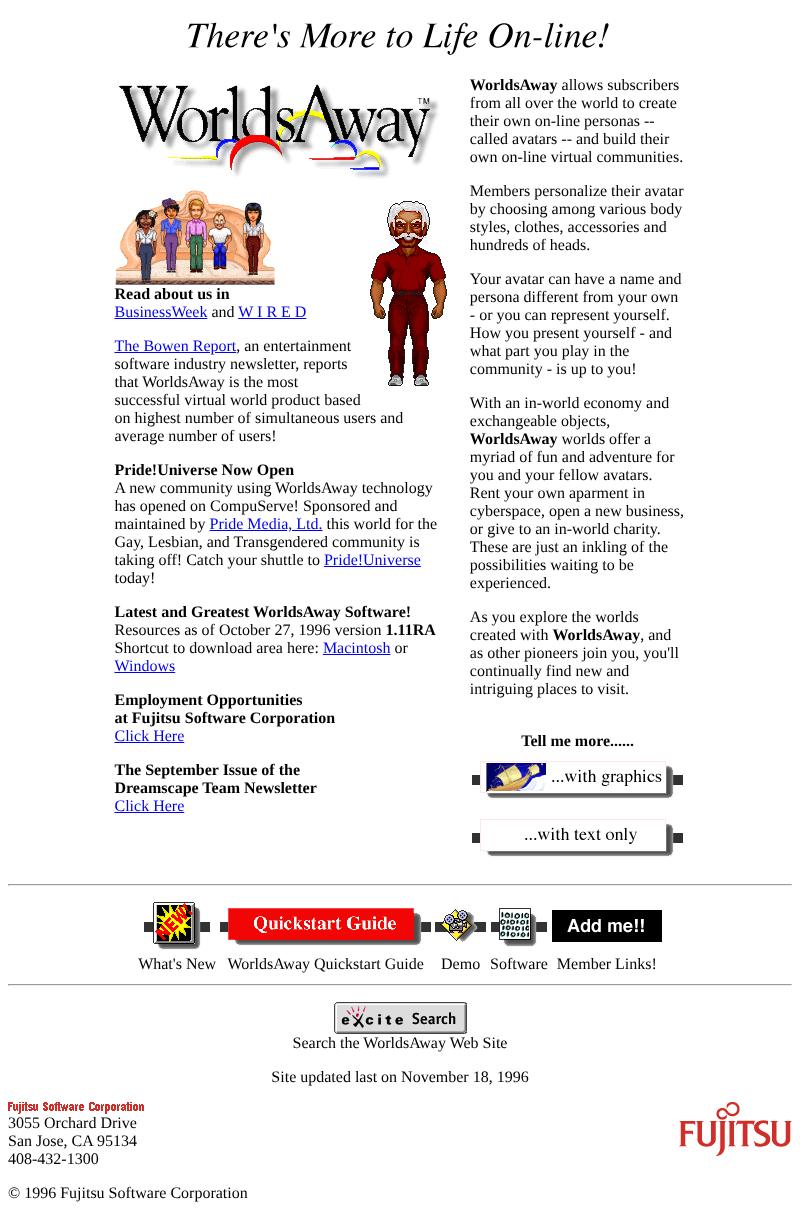
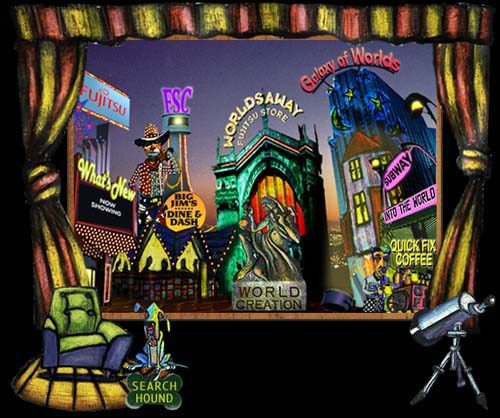
WorldsAway in 1997: a group of avatars in a room, with a chat line above asking who wants to play bingo Avatars standing on a street corner in WorldsAway's Dreamscape, 1996 The Nu Yu body shop in WorldsAway, where avatars changed their looks A wild west style bar in WorldsAway Avatars gathered in a WorldsAway room The illustrated map of the Dreamscape, WorldsAway's main world

Real WorldsAway screenshots from worldsaway.com, 1996 and 1997, via the Wayback Machine. © Fujitsu Software Corporation.

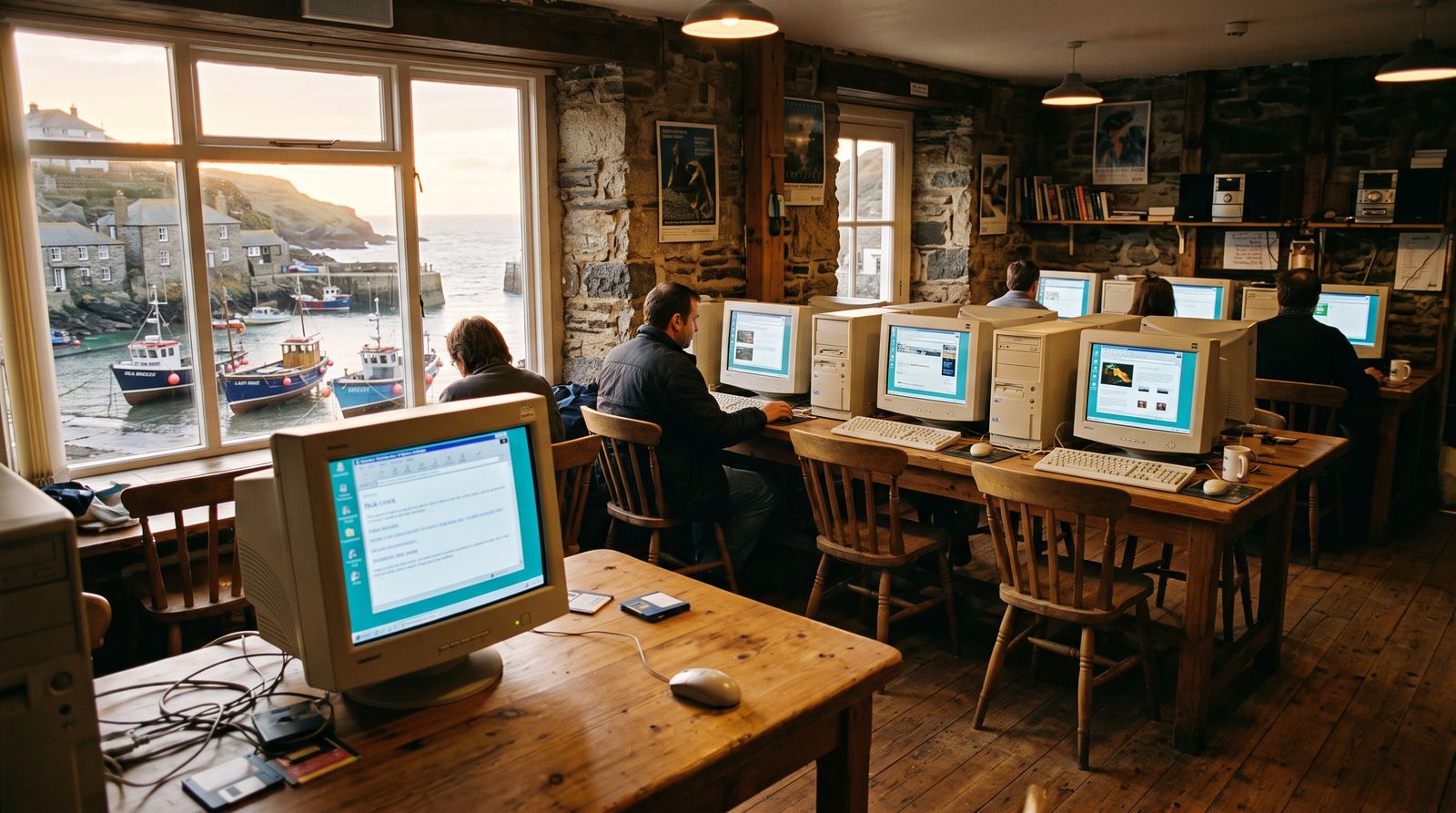
A small Cornish seaside internet cafe around 1999, rows of beige PCs with a harbour through the window

July 1997 – January 2004 · Various agencies, Cornwall

Moving up the market

My first proper jobs were in small Cornish agencies, and the pattern showed up straight away. At an internet cafe I helped take the business from selling the odd £500 computer to winning commercial network contracts.

The web side went the same way. Projects went from £500 static sites to £10K+ database driven builds. Each time it was about spotting where the business could move upmarket and helping it get there.

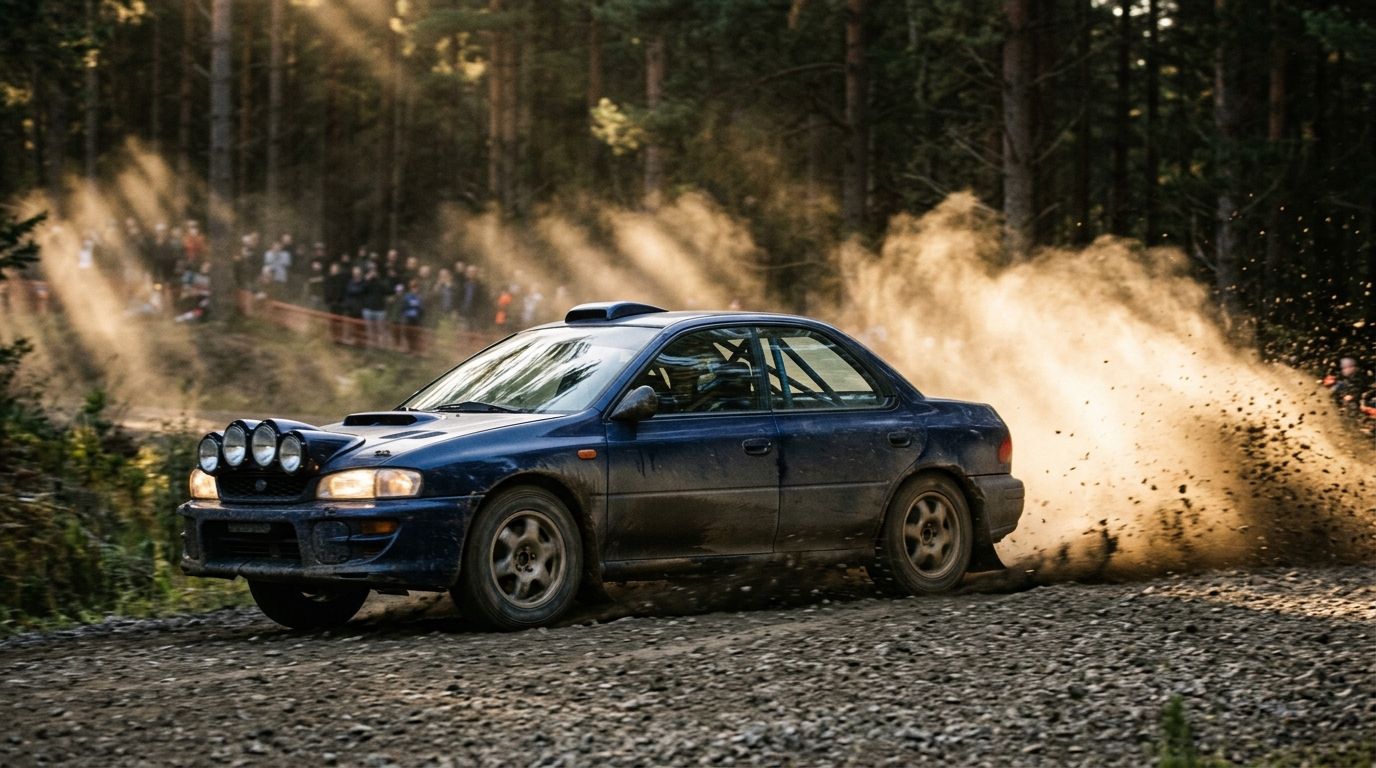
A rally car with a pod of spotlights drifting out of a gravel forest hairpin, a plume of dust lit by low sun and spectators behind

January 2004 – September 2010 · Website and Marketing Manager

Rallynuts

A motorsport equipment business I helped build from nothing to £1M a year. I looked after all of it: the website, the back office, payments, fulfilment and the marketing.

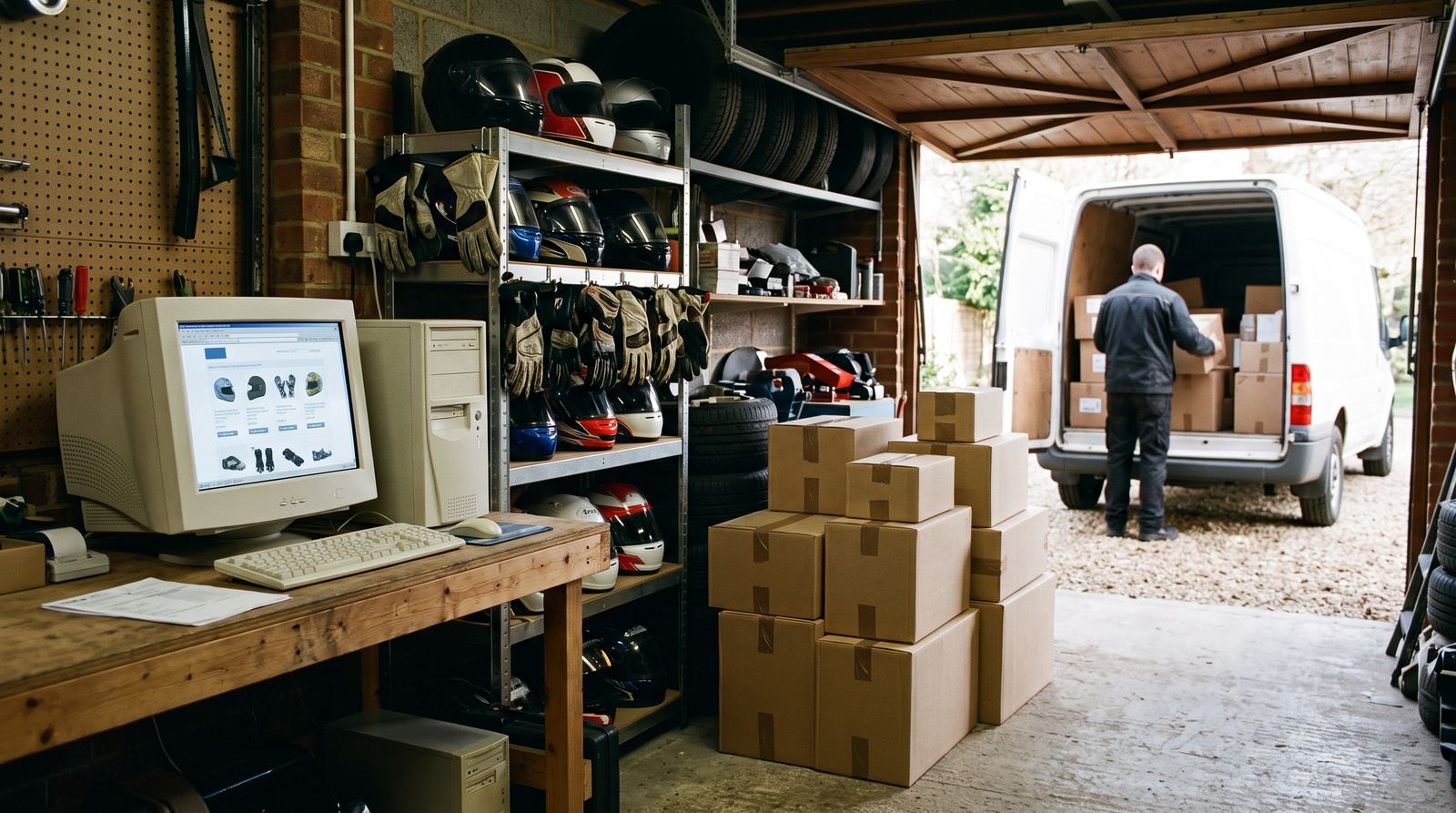
The bit I'm proudest of is the shipping calculator. At the time nobody could give you an accurate international shipping price online for a mixed basket. Couriers charge on whichever is higher, the real weight or the volumetric weight, and a helmet box is mostly air.

So I worked out how much of every parcel could realistically be filled. A pair of gloves fits inside a helmet. Combine things sensibly, keep the overall dimensions down, and the price drops. The site ran on classic ASP, which wasn't fast enough for the maths, so I wrote a Windows DLL in Visual Basic to do the heavy lifting. Any combination of items, anywhere in the world, priced instantly.

We quickly became one of the top handful of motorsport equipment suppliers in the industry. I also built an eBay listing generator that turned supplier spreadsheets into thousands of listings, which brought in over £10K a month almost straight away.

A home garage in the 2000s: an old PC showing an online shop, shelves of helmets and race gloves, and parcels being loaded into a courier van
Rallynuts.com - Microsoft Internet Explorer
Addresshttp://www.rallynuts.com/
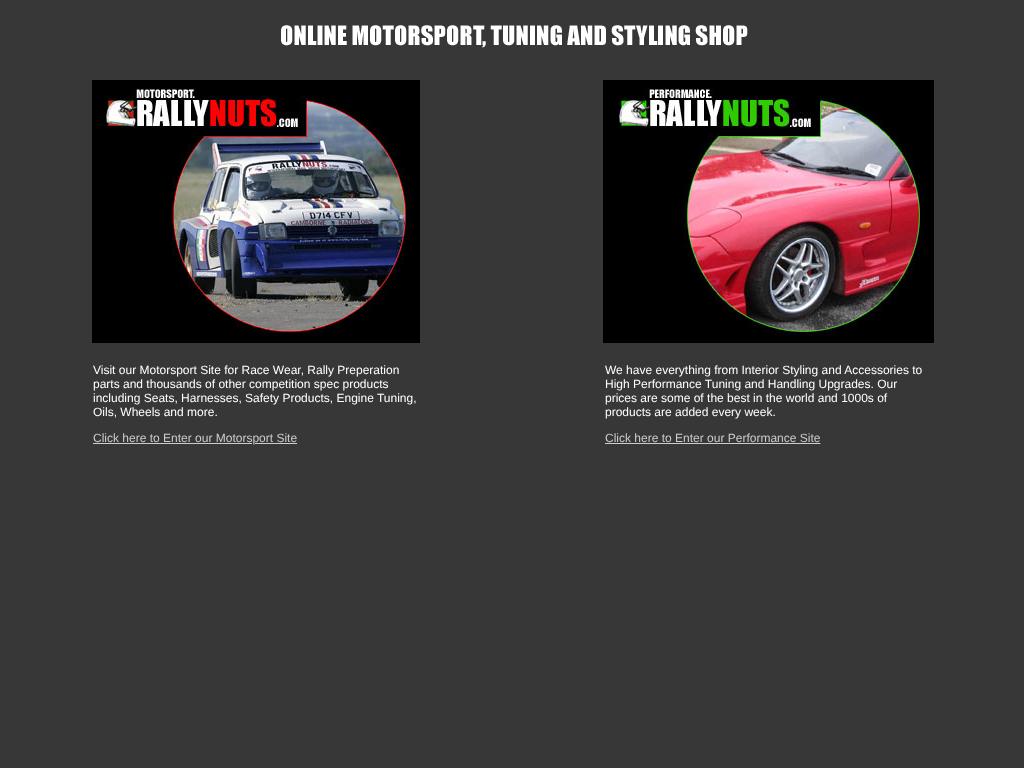
The real Rallynuts.com homepage in 2005, a black page offering the motorsport shop or the performance shop, each with a photo of a rally car

The real rallynuts.com, May 2005, via the Wayback Machine.

Aug 2012 – Jan 2016Website Manager

From print to digital

I joined a traditional print publication to run its website and soon realised the bigger opportunity was the whole business, not just the site. So I wrote a digital strategy that moved it from print first to digitally led.

Part of that was getting the data in one place. I put in a Microsoft Dynamics CRM for 30+ people across the business and brought in over 30,000 customer records. Last I heard it was still in use more than ten years later.

The other part was changing how decisions got made, with analytics and split testing so we could look at what actually happened instead of arguing about opinions. Somewhere in the middle of that I also finished a Foundation Degree in Web Technology through Plymouth University at Truro College.

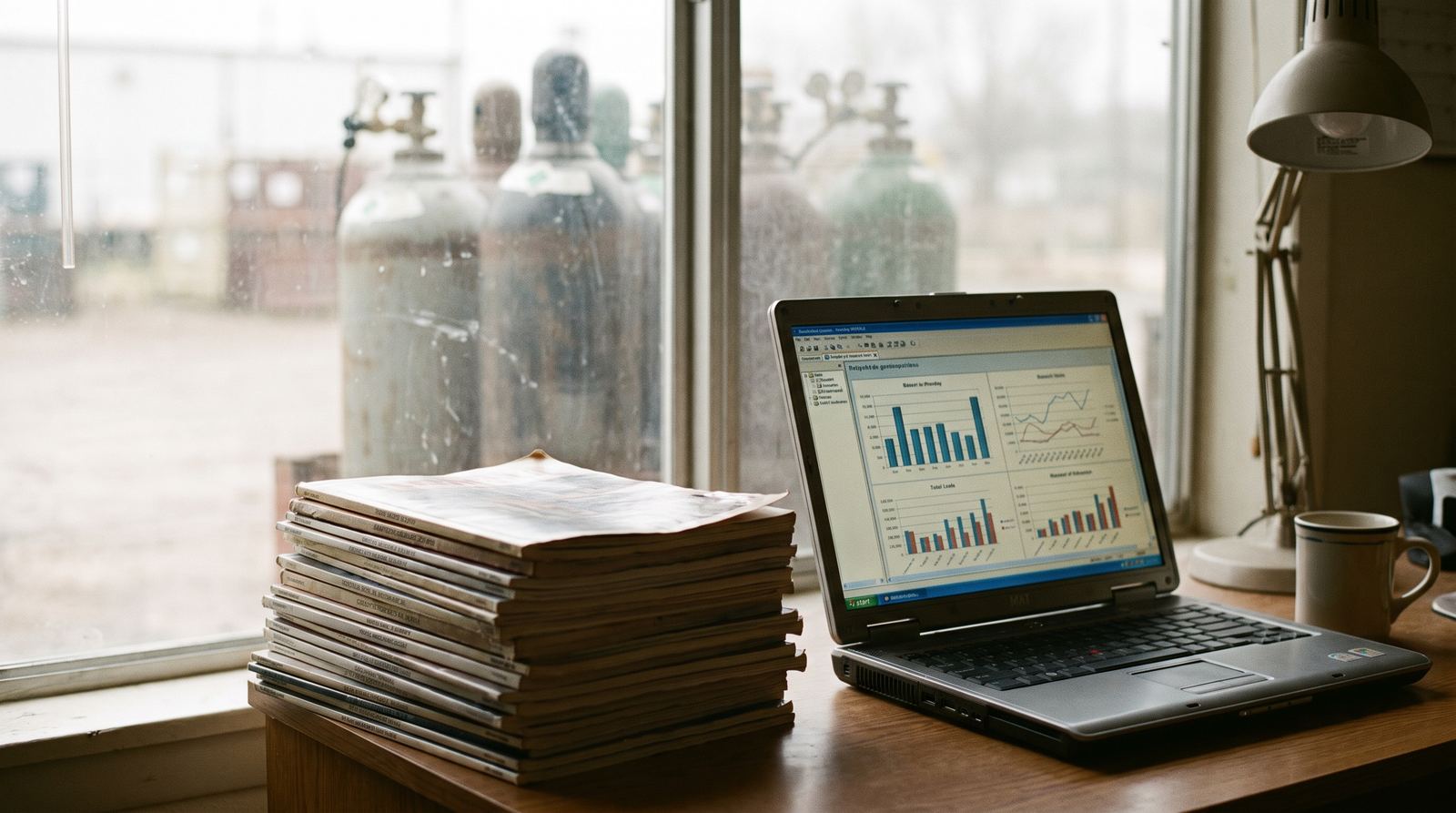
A stack of printed trade magazines next to a laptop showing charts, with gas cylinders out of focus by the window
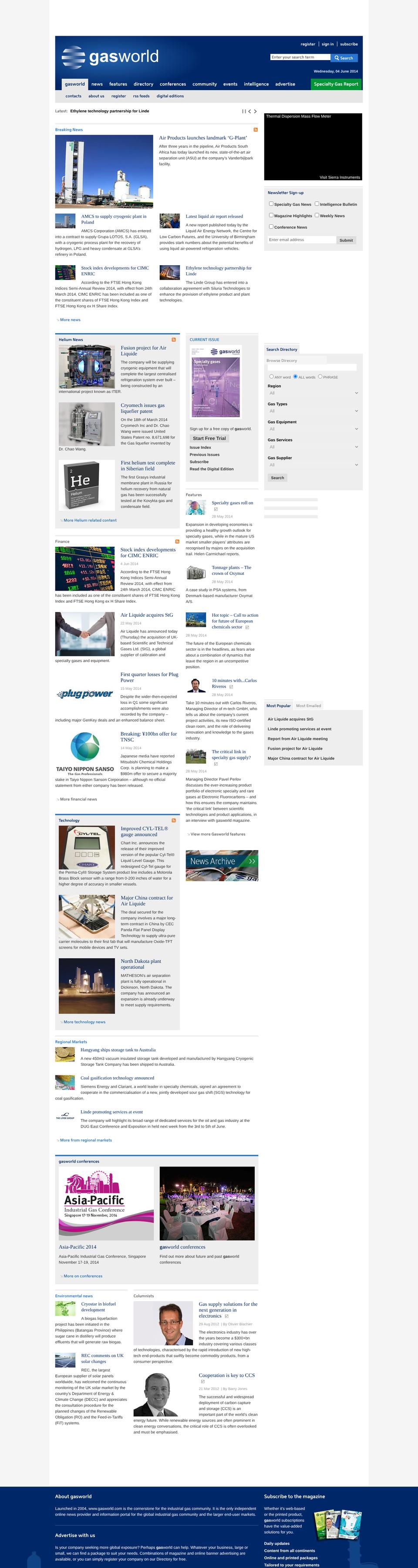
www.gasworld.com
The real gasworld.com homepage in June 2014, with industry news, features and a newsletter sign up

The real gasworld.com, June 2014, via the Wayback Machine.

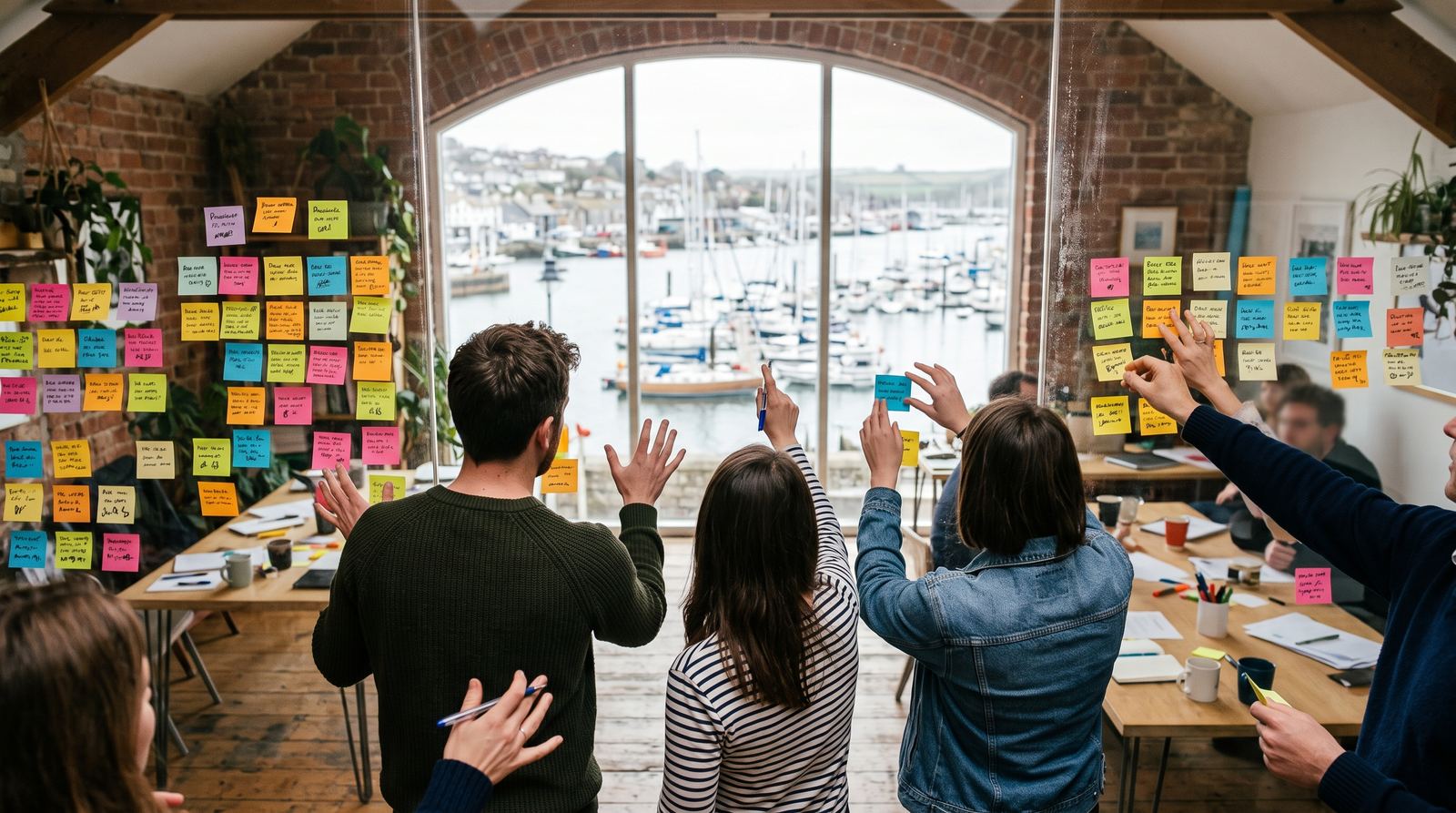
A client workshop in a Falmouth design studio, people at a glass wall covered in sticky notes with the harbour outside

January 2016 – April 2020 · Falmouth · Technical Lead and Digital Strategy

Dewsign

projects when I joinedour biggest project

I led a team of four to eight developers and looked after delivery, resourcing and proposals. The jump in project size came from a few things, mostly how we operated and how we sold what we did.

We proved the value first, through strategy and UX workshops with clients like the Ritz Club and Skinflint Design. We got clients onto retainers rather than one-off builds. And we lined the whole team up on one way of working, with version control, code standards, Laravel and our own frameworks.

The real Dewsign website in February 2020: a full service digital design agency, with case studies, clients and Laravel listed as a core technology

The real dewsign.co.uk, February 2020, via the Wayback Machine.

Open source, built along the way

1.6M+

installs on Packagist for the Laravel packages that came out of standardising how we built things. The Laravel Nova CMS that ran our bigger projects was open source too.

Download counts from packagist.org, October 2026.

Two from scratch

May 2020 – Nov 2021 · Remote

Asura Financial Technology

Senior Front-End Developer. With a team of four we built three connected platforms for wealth management firms from nothing: a client portal, a business admin portal and a Node service that turned investment research into PDFs.

Nov 2021 – Jun 2022

emoquo

Tech Lead at an early-stage startup building an emotional intelligence platform. I was the whole technical team, so everything technical was mine to deliver.

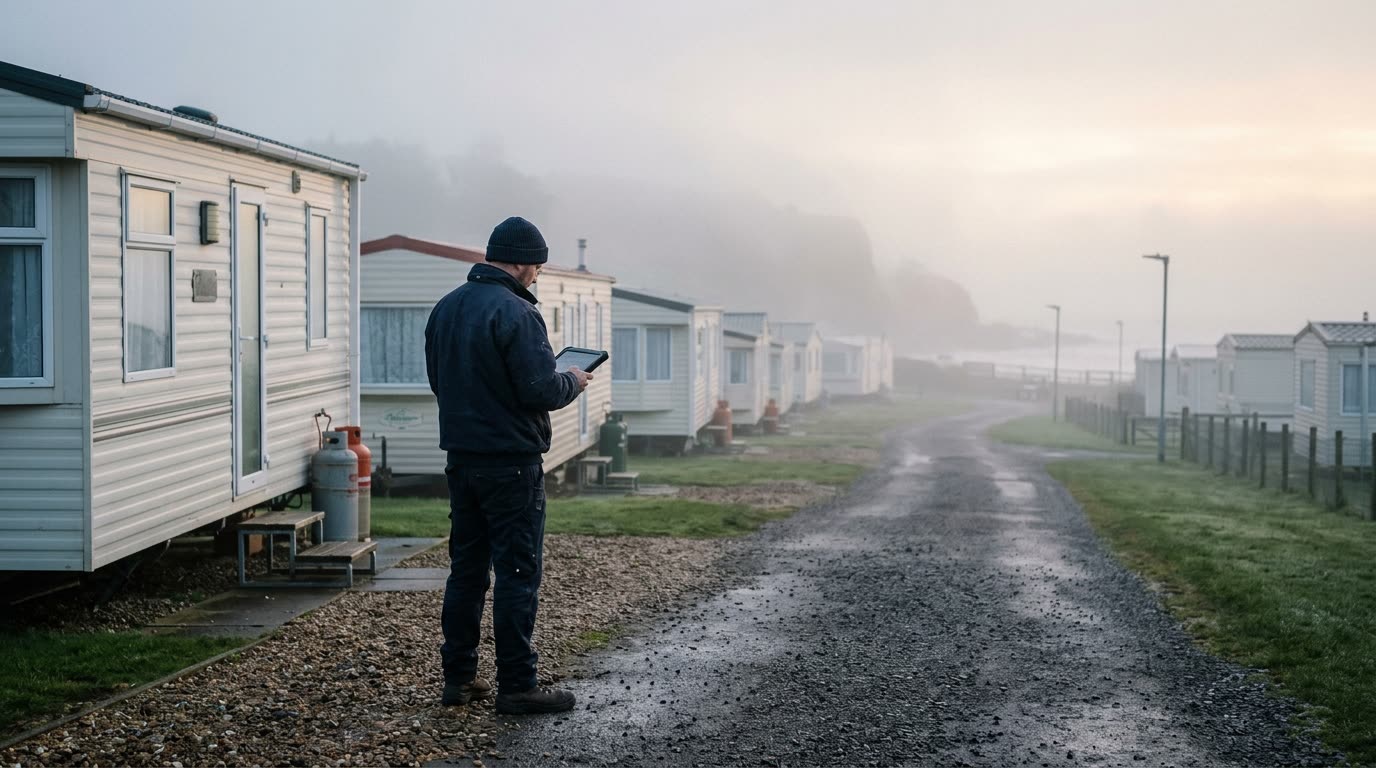
Early morning mist at a holiday park, a maintenance worker holding a rugged tablet beside a static caravan

2024 – 2026 · Haven Holidays · AI Engineering Lead

Fabric

Fabric runs park operations: facility and caravan maintenance, grounds, sitings, cleaning and preventative maintenance. It's live in production, and every line of it was written by AI. I don't write code by hand any more. I direct ten to twenty agents at a time instead.

I'm proud of the whole thing rather than one feature. I designed the architecture myself, deliberately agent friendly and fully offline capable, because park teams don't always have signal. I worked hard on getting the team aligned on new ways of working, and pushed just as hard on changing how the park teams themselves work.

Since the cleaning feature rolled out, the pilot park has already brought its cost per clean down, and the estimate is millions a year in savings once it reaches every park. The maintenance side is harder to put a number on, but it's there. The way the team works also became the template for AI engineering across Haven's Product and Technology organisation.

The Otto app icon, a circus ringmaster surrounded by performers

Otto is the desktop app I built to run all those agent sessions. It's been my only development environment for months.

150,000+

lines in production

10 to 20 agents at once

Since 1 September 2026 · Haven Holidays · Perranporth, Cornwall

Principal Engineer (AI)

“Agentic engineering makes production cheap. What's scarce now is judgement: deciding what's worth building, and telling whether it worked.”

The new role takes what worked on Fabric and applies it across the organisation. I work across squads and disciplines on practical AI adoption, engineering standards and new ways of working.

I try to stay close to the real problems teams have, go on evidence rather than hype, and roll things out once for everyone instead of squad by squad. Once building stops being the bottleneck, the bottleneck moves to everything around it, and a lot of the job turns out to be about people rather than models.

Keep reading

Elsewhere

Bilingual in English and German. Usually in the sea or out with a camera.

Previously on this website

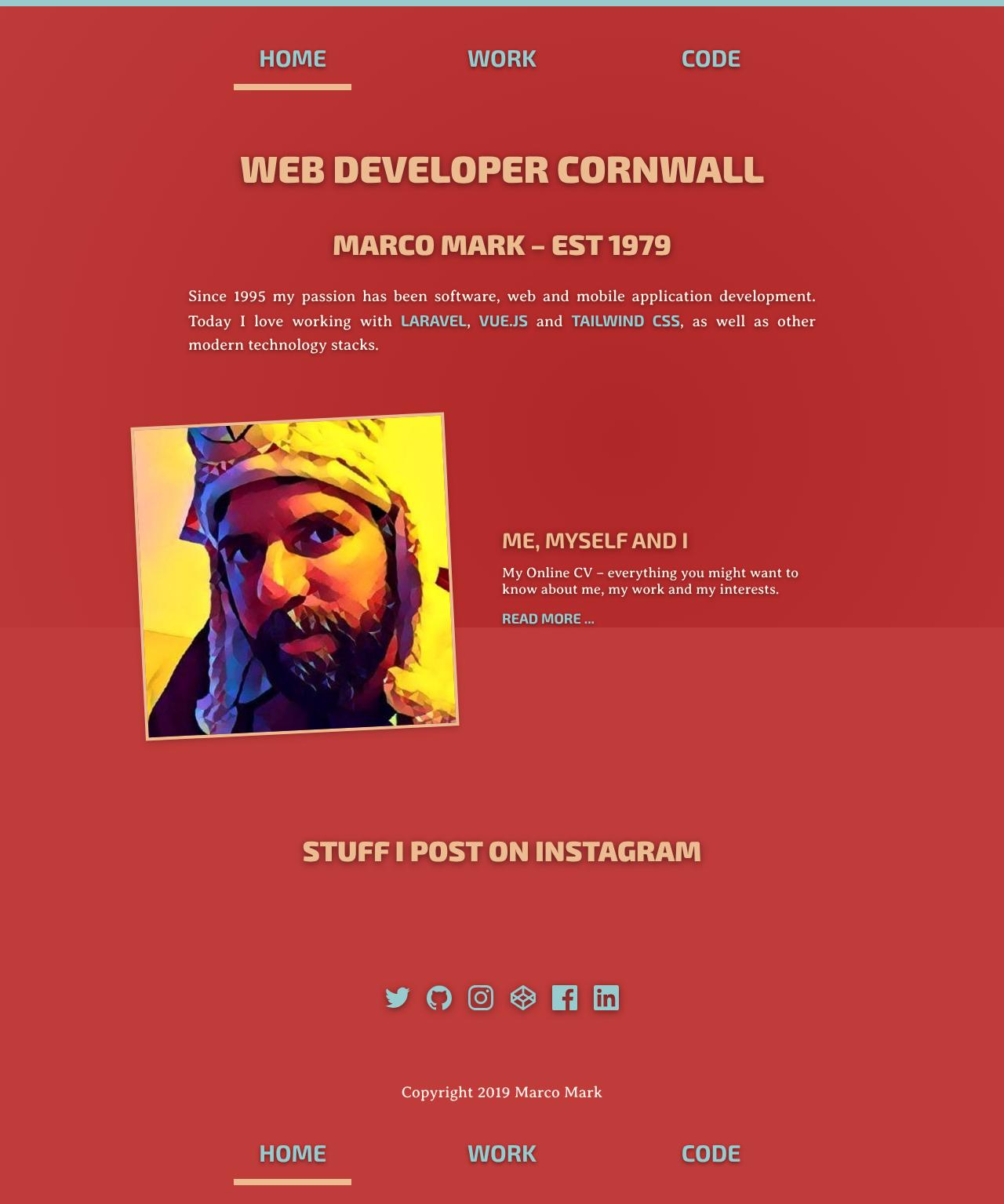
Marco's old personal site, marcomark.net, in 2019: a red page headed Web Developer Cornwall

marcomark.net, 2019, via the Wayback Machine.

Scene-setting photos on this page are AI generated illustrations. Website and WorldsAway screenshots are real, from the Internet Archive.